Cast Iron in Historic Architecture: Preservation, Maintenance, and Professional Standards
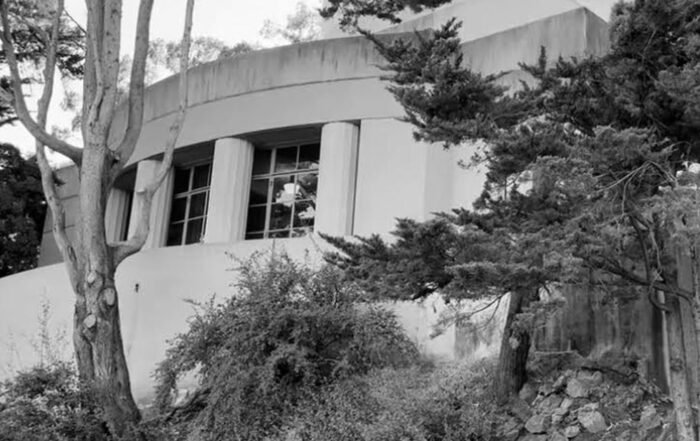
Cast iron is a defining material in historic American architecture, valued for its compressive strength, repeatable ornament, and ability to serve both structural and decorative roles. From iron-front facades to civic buildings and lighthouse lantern rooms, cast iron allowed architects and engineers to achieve a level of efficiency and detail that shaped the built environment of the nineteenth and early twentieth centuries.
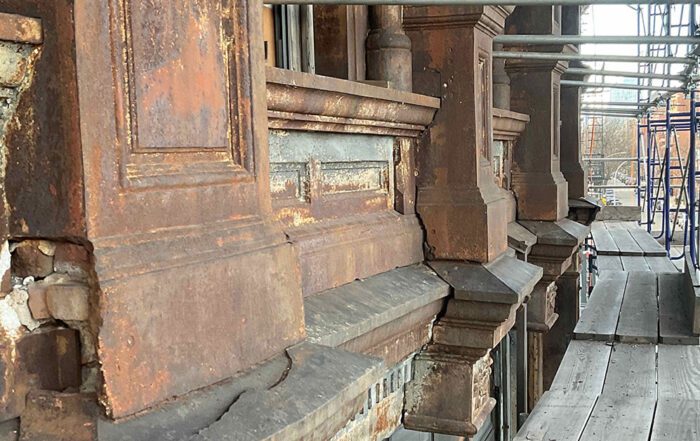
Despite its durability, cast iron is inherently vulnerable when protective coatings fail and moisture is allowed to penetrate joints, fasteners, and thin sections. As a brittle material with limited tensile capacity, cast iron is particularly susceptible to cracking, section loss, and progressive deterioration when environmental exposure is not carefully managed.
For this reason, accepted preservation practice consistently emphasizes maintenance, systematic evaluation, and standards-aligned intervention as the foundation of successful cast iron preservation.
Preservation Framework and Professional Expectations
Work on historic architectural metals is evaluated within an established professional and regulatory framework. In the United States, this framework is informed by nationally recognized preservation standards, National Park Service guidance, and the review criteria used by state and local preservation commissions.
Within this context, preservation work is assessed not only on appearance or craftsmanship, but on:
-
retention of historic material
-
compatibility of repair methods and materials
-
appropriateness of replacement where necessary
-
documentation and defensibility of decisions
Successful projects demonstrate an understanding of these expectations and apply them consistently throughout assessment, maintenance, and restoration efforts.
Material Behavior and Common Failure Patterns
Cast iron deterioration follows predictable patterns. Corrosion typically initiates where coatings break down and moisture becomes trapped, most often at:
-
fastener penetrations
-
joints and seams
-
horizontal surfaces
-
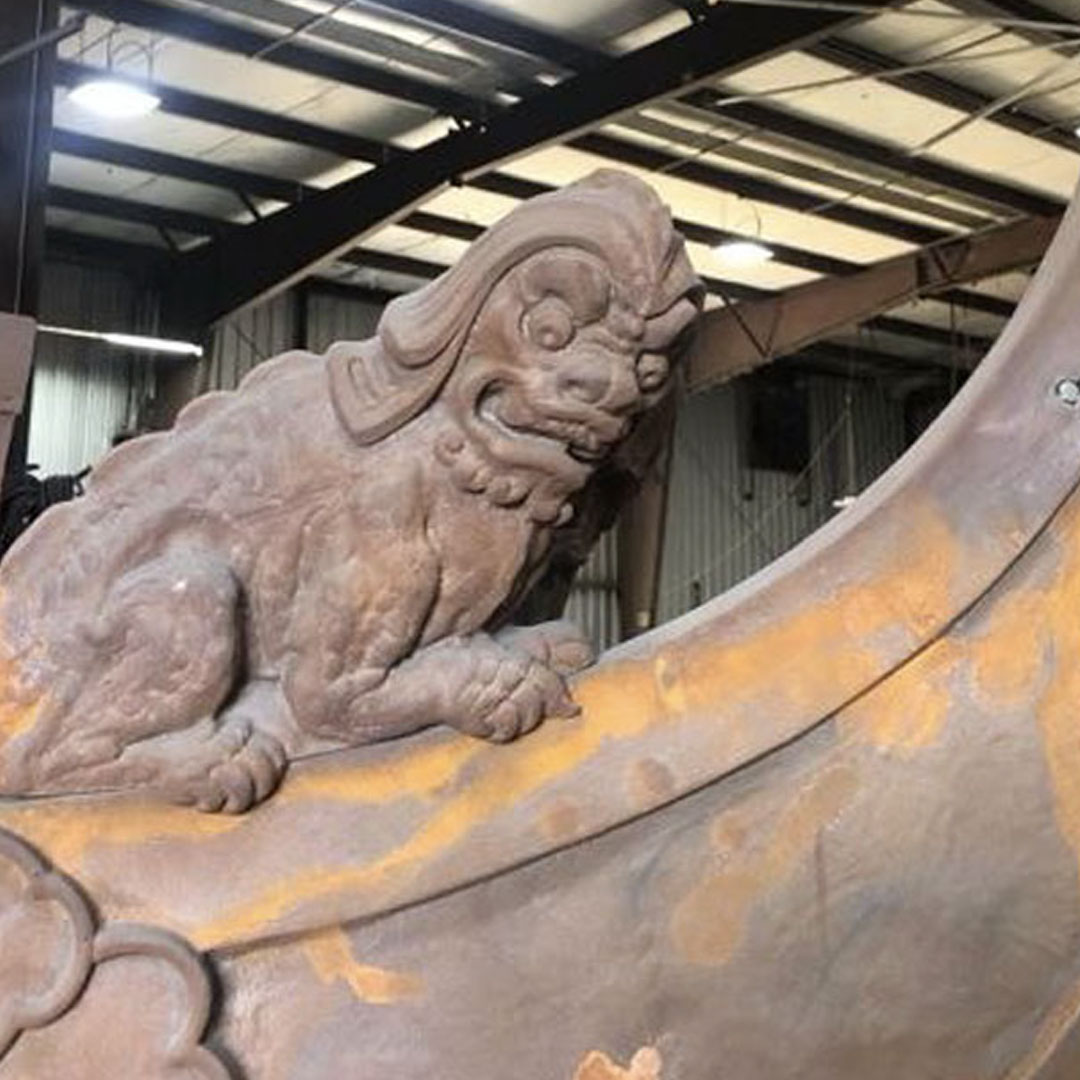
thin ornamental sections
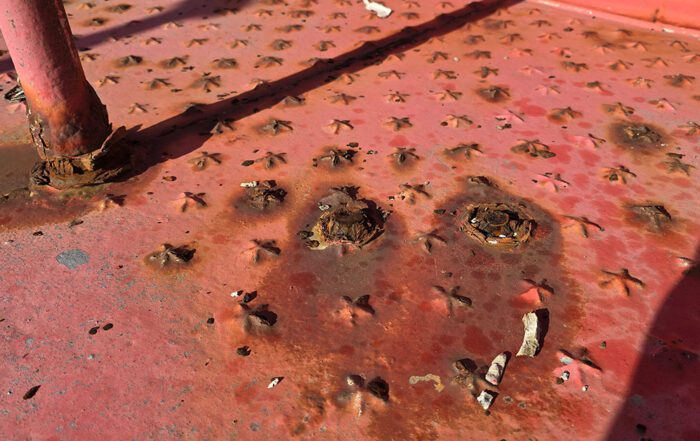
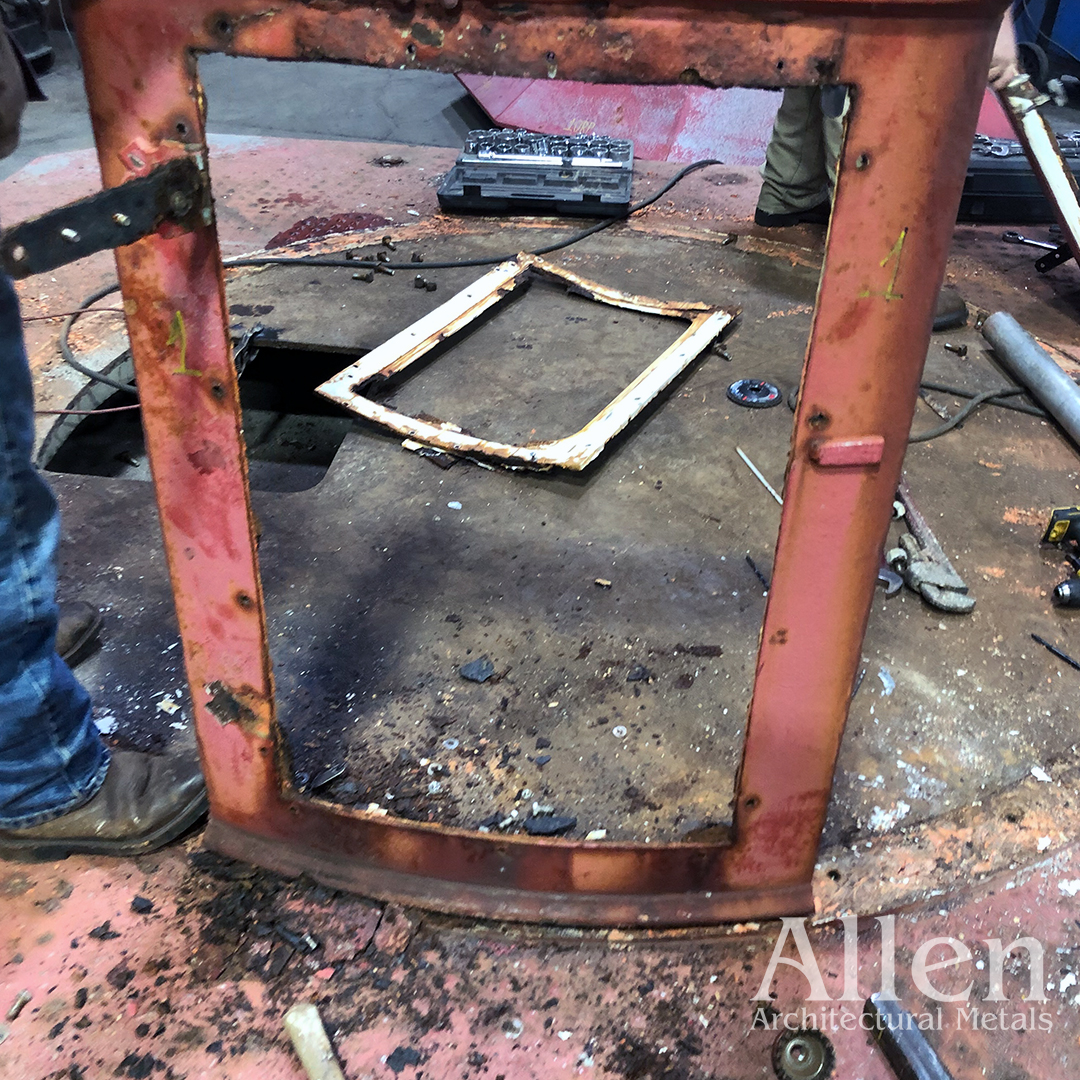
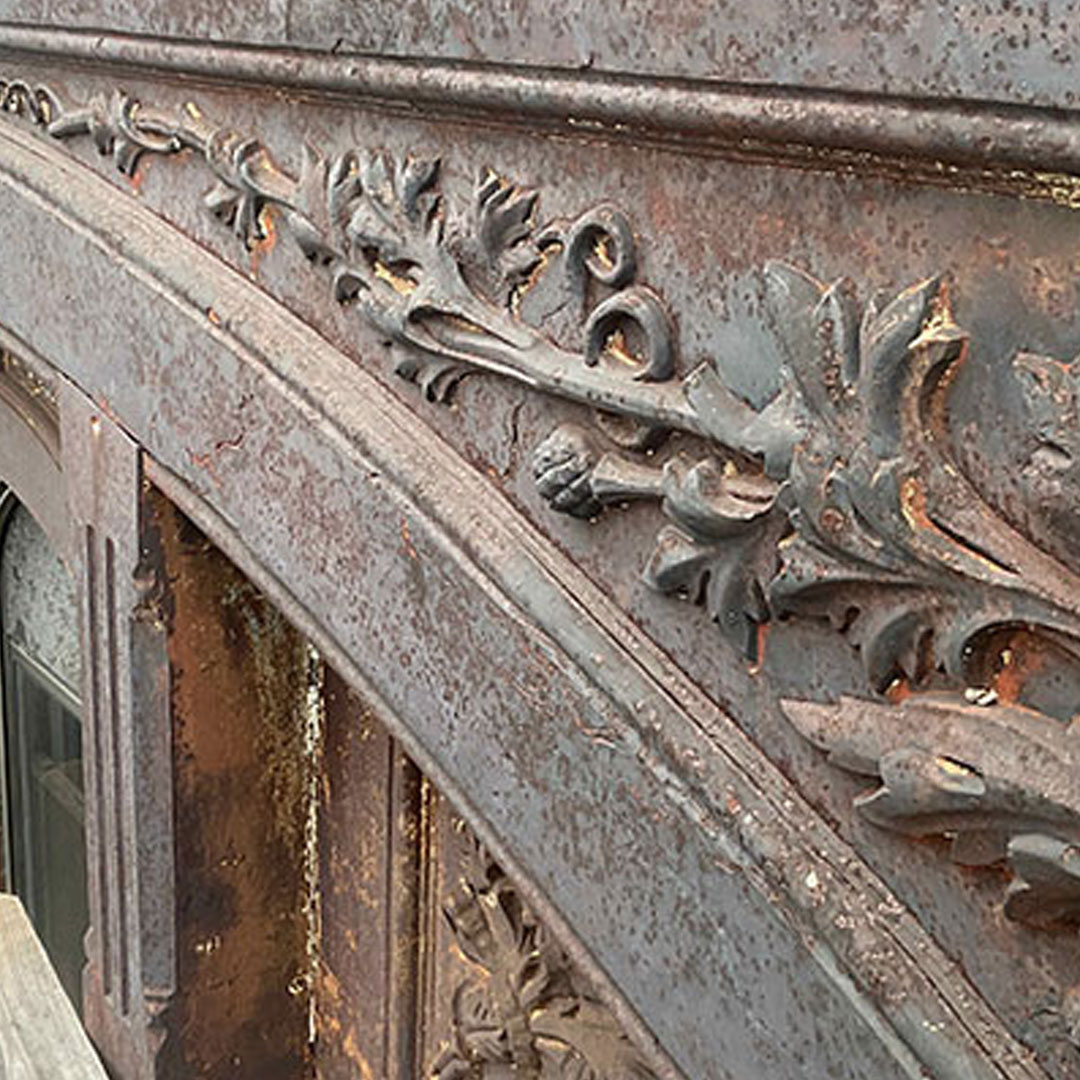
Early indicators of distress may include coating blistering, rust staining, hairline cracking—particularly radiating from bolt holes—or slight movement at connections. While these conditions are often perceived as minor, preservation guidance recognizes them as early warnings of concealed deterioration beneath intact coatings.
Moisture management is therefore widely regarded as the most critical factor in the long-term performance of historic cast iron.
Maintenance as a Core Preservation Strategy
Maintenance is not ancillary to preservation—it is preservation.
Nationally accepted guidance consistently identifies routine inspection, timely coatings maintenance, and control of water infiltration as the most effective means of preserving historic metal assemblies. Proactive maintenance allows deterioration to be addressed while original material can still be retained, reducing the need for invasive repair or replacement.
From a preservation standpoint, maintenance supports:
-
retention of historic fabric
-
least-invasive intervention
-
reduced lifecycle cost
-
improved long-term performance
In harsh environments—such as coastal or industrial settings—annual visual inspections are widely regarded as best practice, with more comprehensive condition assessments performed periodically as conditions warrant.
High-Level Maintenance Considerations for Cast Iron
Preservation-aligned maintenance typically includes:
-
Routine Inspection:
Regular visual review of cast iron elements, with particular attention to joints, fasteners, and areas of prior repair. Documentation through photographs and written observations is essential for tracking change over time. -
Coatings Maintenance:
Protective coatings function as a primary defense against corrosion. Localized failures should be addressed promptly to prevent underfilm corrosion and progressive section loss. -
Moisture Management:
Sealed joints, effective drainage, and avoidance of water traps are critical. Even minor moisture intrusion can significantly accelerate deterioration. -
Early Stabilization:
Addressing small areas of corrosion, coating failure, or minor cracking early can often prevent the need for more extensive intervention. -
Escalation to Specialist Repair:
Structural cracking, section loss, deformation, repeated coating failure, or conditions requiring welding, removal, or replication should be evaluated by experienced preservation metal specialists working within accepted conservation frameworks.
Restoration Aligned with Accepted Standards
When deterioration progresses beyond routine maintenance, restoration procedures must be selected carefully. Preservation guidance supports a graduated approach.
Retain original material where feasible → Repair using compatible methods → Replace only when components are beyond repair
Repairs must restore structural integrity without introducing incompatible materials, excessive rigidity, or altered profiles. Replacement components, when required, should accurately replicate original geometry and be fully documented as part of the project record.
Equally critical is the performance of coating systems. Proper surface preparation, removal of soluble salts where present, appropriate primer selection, sufficient film thickness, and adherence to environmental application conditions are all essential to long-term success.
Maintenance, Stewardship, and Long-Term Performance
Preserving cast iron is ultimately an exercise in stewardship. When maintenance, evaluation, and restoration are approached systematically—and within established professional standards—historic cast iron can continue to perform well beyond its original service life.
At Allen Architectural Metals, our work is grounded in nationally recognized preservation standards and accepted professional practice. That work is carried out by a skilled team of long-tenured craftspeople whose experience spans decades of preservation projects, bringing continuity, institutional knowledge, and technical judgment to every phase of restoration and fabrication. Whether addressing routine maintenance, complex restoration, or selective replication, our approach is informed by an understanding of how historic metalwork is evaluated, reviewed, and approved.
This disciplined methodology ensures that preservation work is not only technically sound, but consistent with the expectations of architects, engineers, and preservation commissions—supporting both the longevity of historic structures and the integrity of the preservation process.