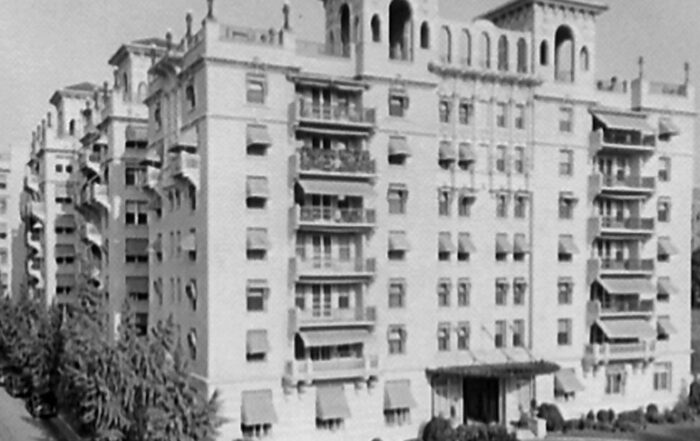
A Montana Main Street Treasure: The O.E. Morse Building and Its Mesker Façade
In Dillon, Montana, the O.E. Morse Building stands as a striking reminder of how much craftsmanship can be found in America’s historic Main Streets.
Built in 1888, the building is also known as the Dingley & O.E. Morse Block. Its facade reflects a period when Western railroad towns were growing quickly, and commercial buildings were designed to project strength, permanence, and prosperity. For business owners of the late 19th century, a storefront was more than an entrance. It was a statement.
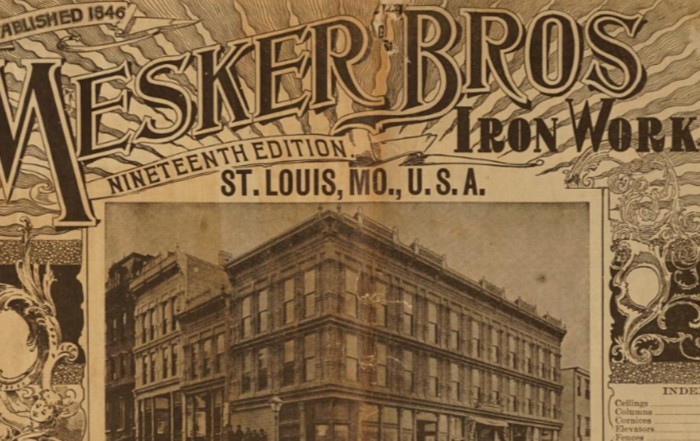
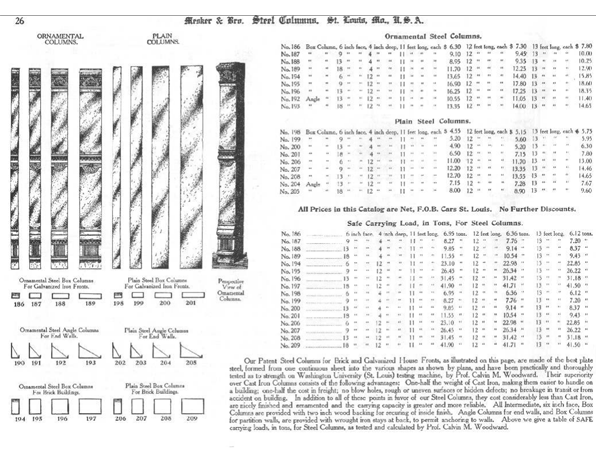
One of the most distinctive features of the O.E. Morse Building is its association with Mesker Brothers Iron Works, the St. Louis manufacturer known for catalog-ordered architectural metalwork. Mesker storefronts and façade components appeared in towns across the country, bringing decorative columns, cornices, panels, window hoods, and pressed metal ornament to commercial buildings large and small.
Part of Mesker’s appeal was how dramatically and efficiently these systems could transform a building. Their catalogs marketed storefronts as a practical way to update an ordinary or outdated façade without the cost and time of more traditional construction. Historic before-and-after style illustrations showed how a plain commercial front could be quickly reimagined with ornamental metal columns, cornices, panels, and window surrounds.
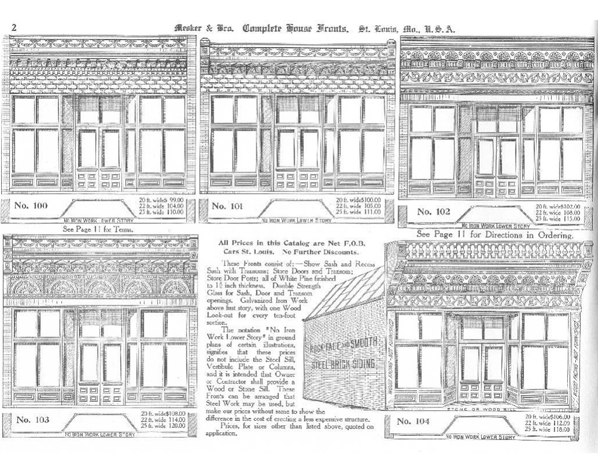
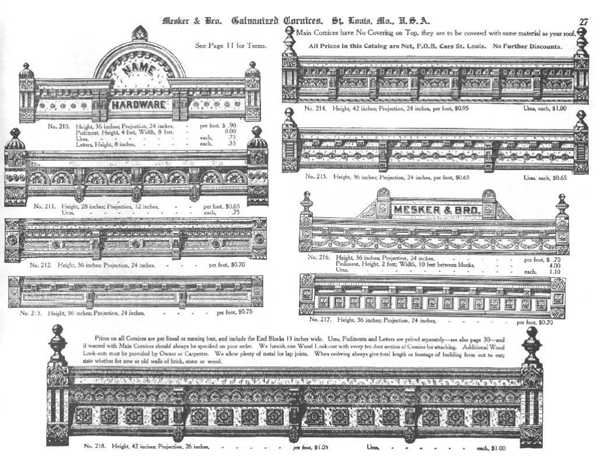
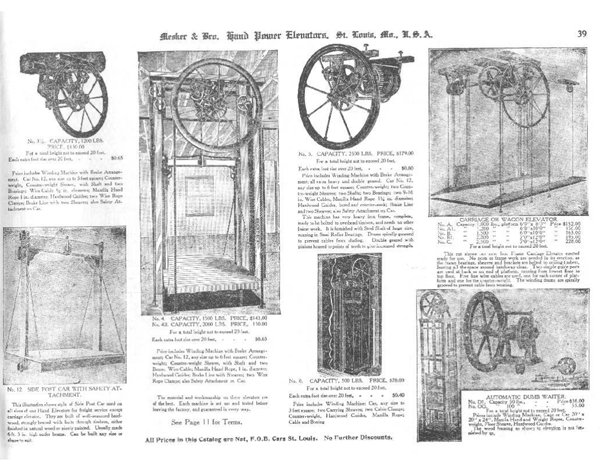
That promise was powerful for growing towns and business districts. A merchant could give an existing building a more refined, modern, and substantial appearance using components that were manufactured off-site, ordered through a catalog, shipped by rail, and installed as part of a coordinated storefront system.
In places like Dillon, that meant a building could carry a level of ornament and architectural presence that connected a Montana railroad town to a much broader national movement in commercial design. Mesker façades were practical, repeatable, and highly decorative — a combination that helped shape the look of Main Streets across the country.
Mesker columns are especially recognizable. Tall, slender, and often richly detailed, they helped frame storefronts while adding rhythm and vertical emphasis to the facade. More than simple supports, these columns contributed to the identity of the building. Their proportions, profiles, and decorative details were part of the overall storefront system.
For preservationists, architects, building owners, and craftspeople, Mesker façades present a fascinating challenge. Many have survived for more than a century, but time, weather, fire, corrosion, alterations, and impact can leave original components damaged or missing. When that happens, the work requires more than a simple replacement part. It requires careful study of the original material, the manufacturing method, and the way each piece fits into the larger façade.
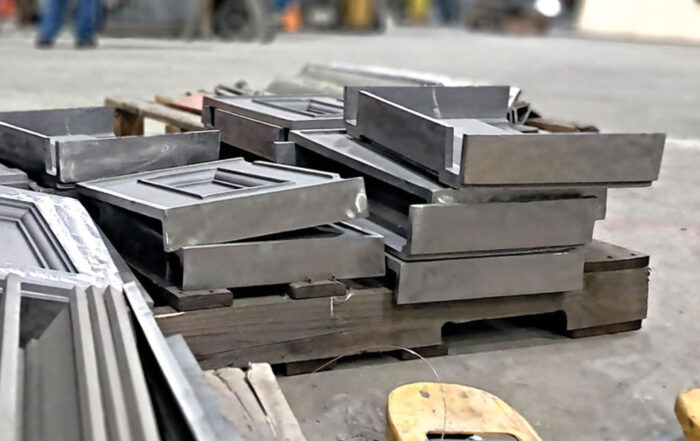
Repairing or replicating Mesker Brothers columns and related façade components often begins with documentation. Existing pieces may be measured, photographed, scanned, molded, or compared against historic examples. In some cases, replacement components may need to be cast, fabricated, pressed, or otherwise recreated to match the original appearance as closely as possible.
At Allen Architectural Metals, this kind of work sits at the intersection of historic research, traditional craftsmanship, and modern fabrication. Whether repairing existing ornamental metal or replicating missing components, the goal is to preserve the architectural character that makes these buildings significant.
The O.E. Morse Building is a reminder that historic metalwork is not limited to grand civic landmarks or major urban projects. It can be found in storefronts, columns, cornices, and façade details that shaped everyday life in communities across the country.
These buildings matter because they tell the story of commerce, transportation, craftsmanship, and local identity. Preserving their metalwork helps preserve the visual character of the places they helped build.
More From Allen Metals